Release Notes | Release v4.1.134June 29th, 2026 1. [TPRM] 50+ Document CategoriesUploaded documents are now automatically classified into 50+ broader categories, making it easier to organize, search, and manage artefacts across the document store and questionnaires. Existing documents are seamlessly migrated to the new categorization framework for a consistent experience. 2. [TPRM] Introducing Workflows to Automate TPRM with AI and No-Code AutomationCreate and automate third-party risk workflows with a simple no-code automation workflow builder. Use pre-built templates, AI-powered actions, and customizable workflows to reduce manual effort and keep your security and compliance processes running efficiently. Key Highlights:
Refer to Workflows for more details.
3. [TPRM] AI-Powered Third-Party Onboarding with Intake FormsA new Intake Form workflow template is now available to automate third-party onboarding. When enabled, SAFE AI reviews uploaded intake forms, extracts vendor information, and automatically populates standard and custom third-party fields based on your workflow configuration. You can customize the workflow to map fields and tailor the onboarding process to your organization's requirements.
Release v4.1.133June 15th, 2026 1. New Global Settings PageThe Settings page has been redesigned with a cleaner and more organized layout to make administration easier. Related settings are now grouped under dedicated sections such as Access Management, First Party, and Third Party, making it easier to find and manage configurations.
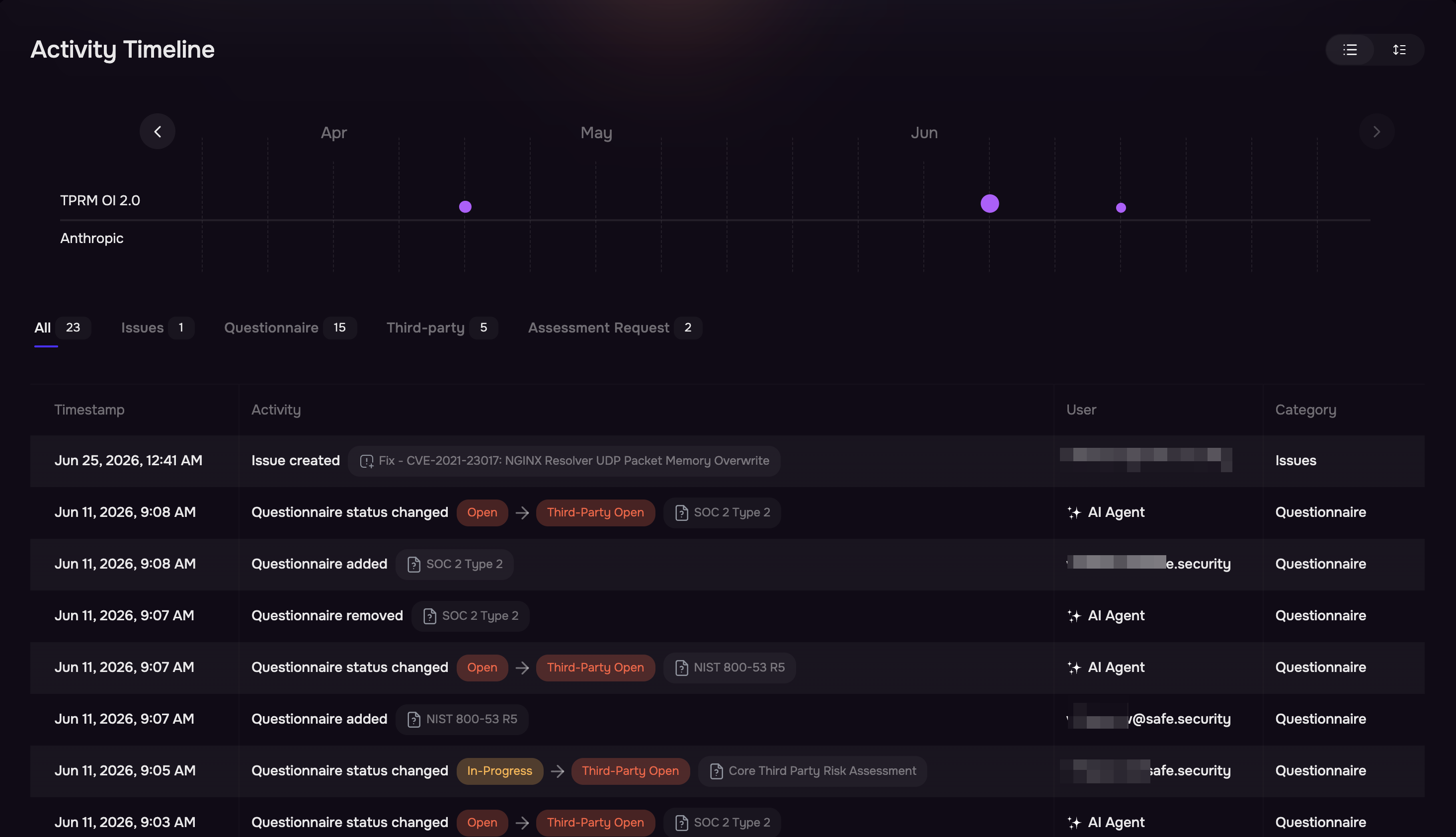
2. [TPRM] New Activity TimelineNew Activity Timeline provides a centralized audit trail to track third-party lifecycle events, questionnaire workflows, remediation activities, and AI/system-generated actions through both Table and Vertical Timeline views.
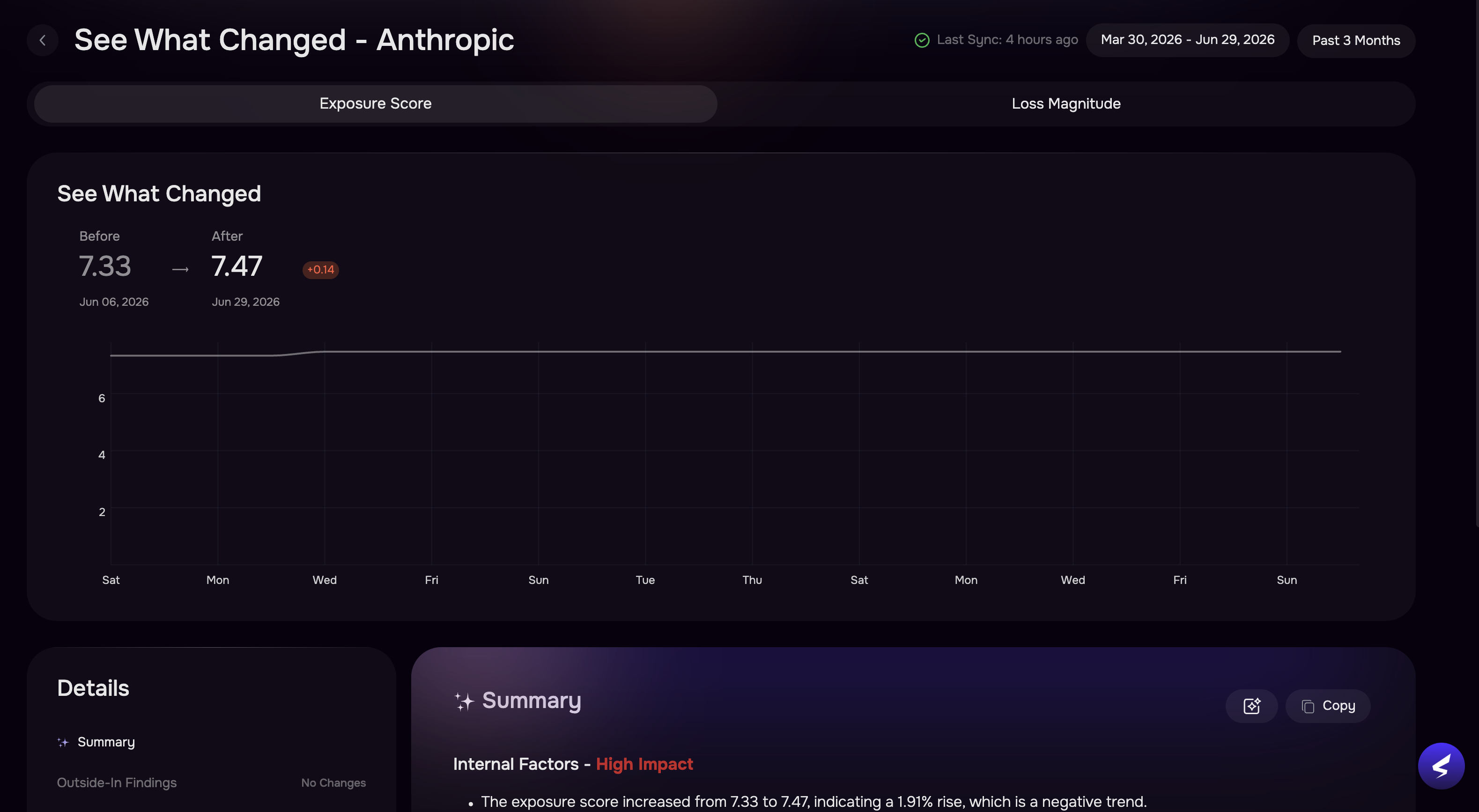
3. [TPRM] See What Changed for Exposure ScoreYou can now track what changed and why Exposure Score for your thrid parties moved over time. View score trends, AI-generated summaries, and detailed change history for findings, questionnaires, assets, and breach events. This provides greater transparency into score changes and helps teams quickly understand the factors impacting their organization's cyber risk.
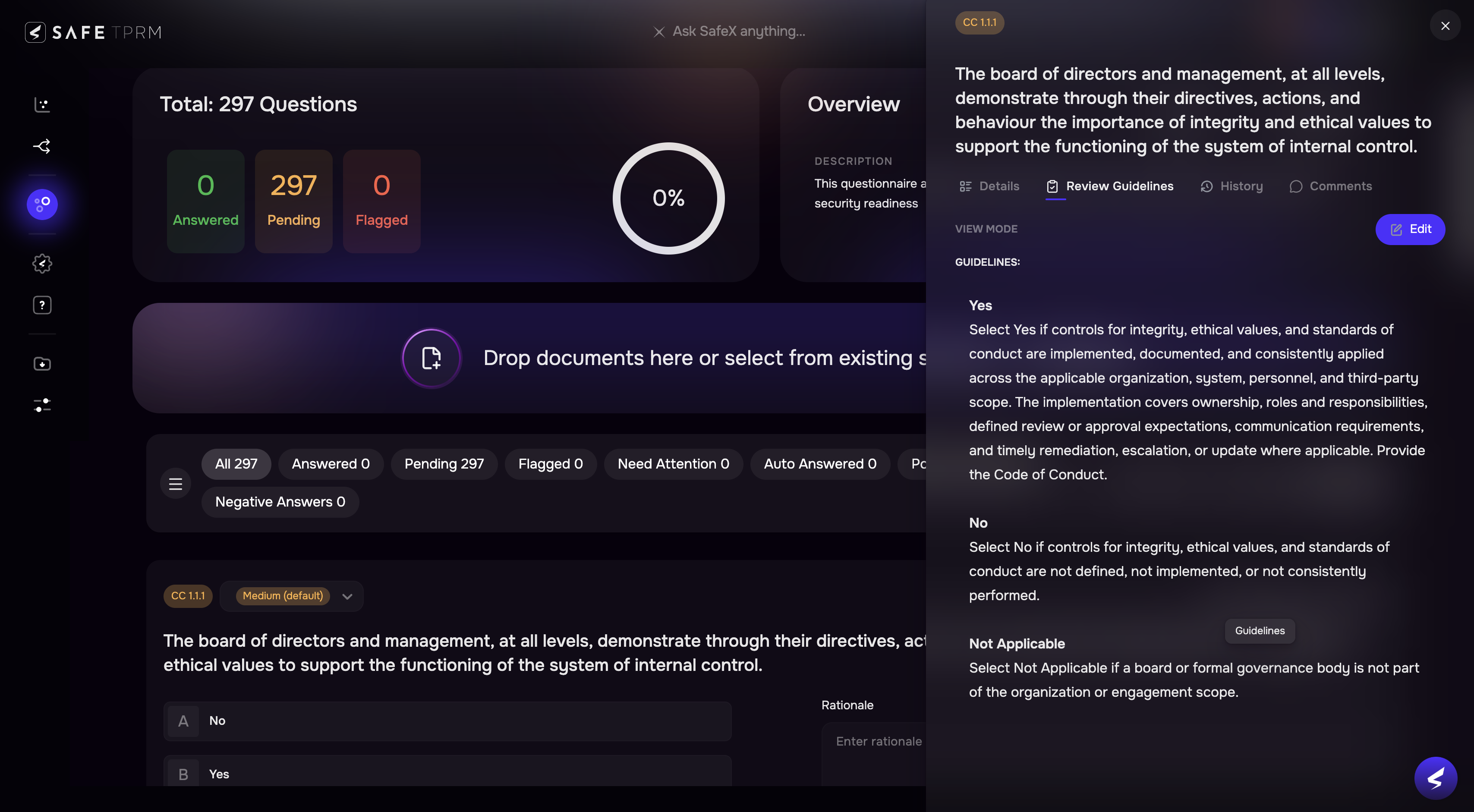
4. [TPRM] AI Review Based On User Provided GuidelinesYou can now define review guidelines for each question, and SAFE AI will automatically evaluate vendor responses against those guidelines. This helps teams review assessments faster, apply consistent review standards, and reduce manual effort across third-party risk assessments.
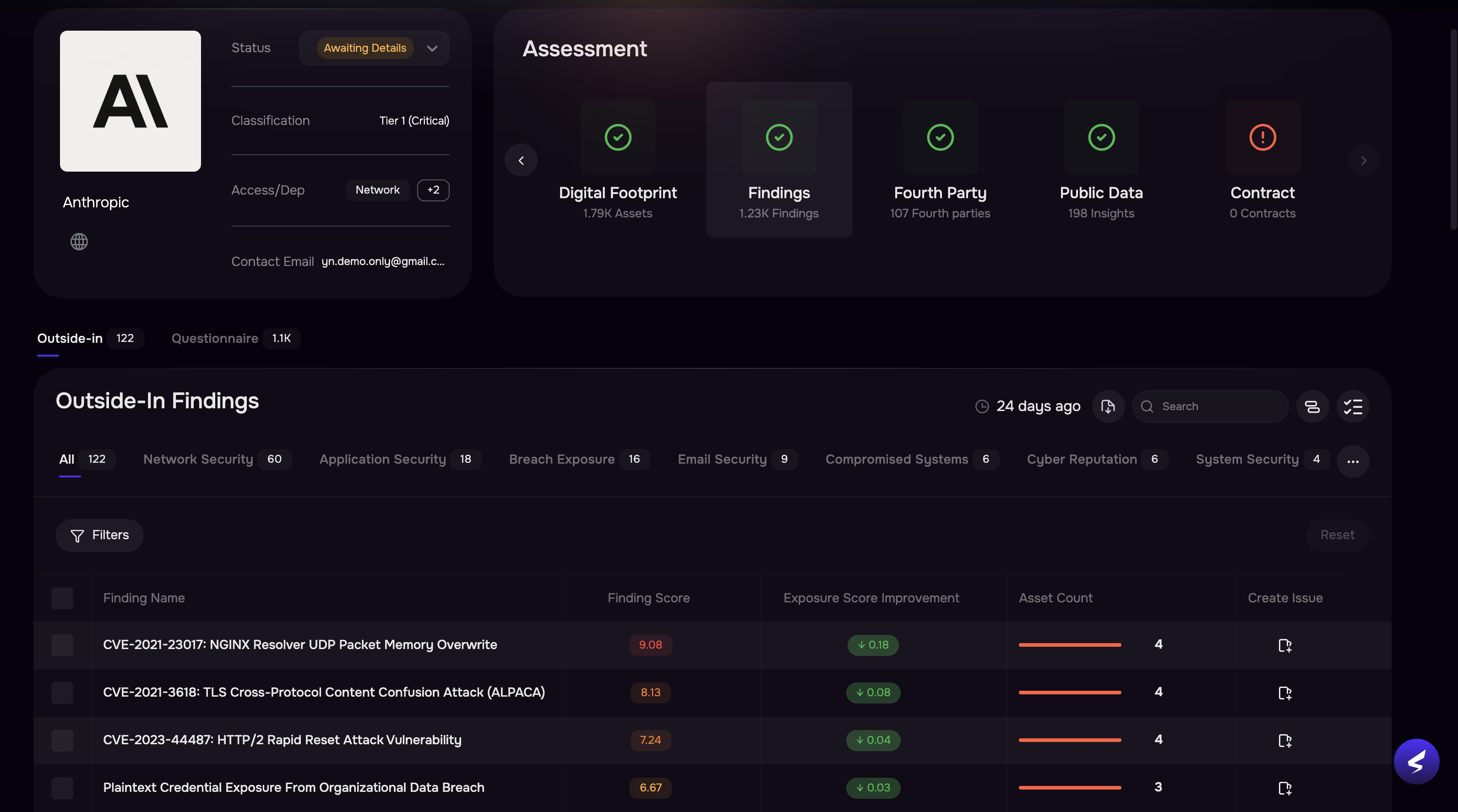
5. [TPRM] Enhanced Outside-In AssessmentSAFE Outside-In 2.0 enhances third-party cyber risk assessments with improved asset attribution, higher-quality findings, expanded breach and fourth-party intelligence. Key Highlights
|


.png)